

What Is a Smart City?
Smart cities leverage technology, data, and a sustainable infrastructure to improve the quality of life for inhabitants while promoting a healthier environment. By reducing carbon emissions and increasing energy efficiency, smart cities help pave the way for a brighter future.
Typical Features of a Smart City
Advanced Digital Infrastructure
- High-Speed Internet & 5G Networks (eventually 6G)
- IoT (Internet of Things) Devices (this includes smart sensors, meters, and devices that collect and share real-time data to optimize city operations)
- AI & Big Data Analytics (these are generally used for traffic management, energy distribution, and predictive maintenance of city infrastructure)
Smart Energy Management & Renewable Integration
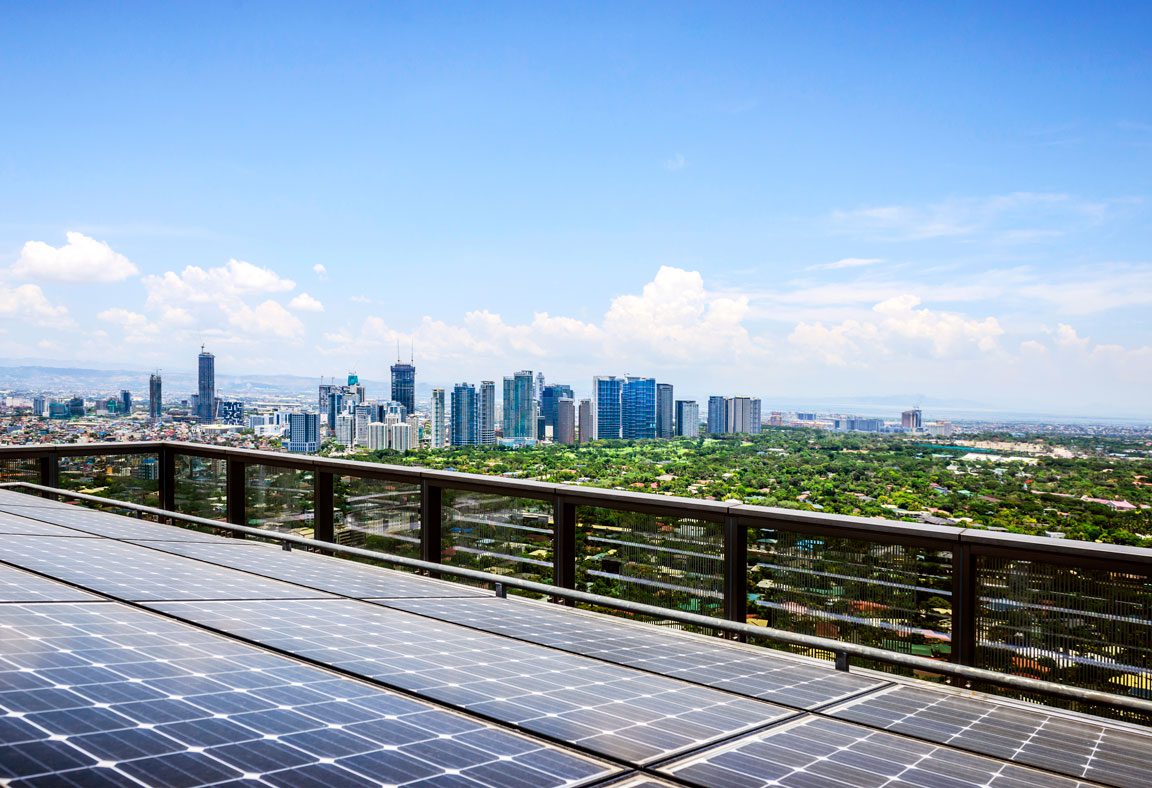
- Solar-Powered Infrastructure (public buildings, streetlights, transportation systems, and other infrastructure powered by renewable energy)
- Smart Grids (digitally controlled electricity grids that balance supply and demand, helping to reduce energy waste)
- Energy Storage Solutions (battery storage systems that ensure renewable energy is available around the clock, no matter the weather conditions)
- Net-Zero Buildings (structures designed to generate as much energy as they consume, reducing dependence on fossil fuels and significantly lowering their carbon footprint)
Sustainable Transportation & Mobility
- Public Transit Expansion (investments in eco-friendly buses, subways, rail systems, and other forms of transportation to reduce traffic congestion and pollution)
- Electric Vehicle (EV) Charging Networks (easily accessible charging stations throughout the city encourage EV adoption)
- Bicycle & Pedestrian-Friendly Planning (dedicated bike lanes, car-free zones, and improved sidewalks promote greener commuting and overall safety)
- Car-Sharing & Ride-Sharing Services (encouraging shared transportation reduces the number of vehicles on the road)
- Traffic Flow Optimization (smart traffic signals and road planning to reduce congestion and improve fuel efficiency)
How Does Solar Power Support Smart City Development?
Solar energy reduces the reliance on centralized power grids, making cities more resilient to natural disasters and other unexpected events.
Renewable and Sustainable Energy Source
Enhances Energy Efficiency and Grid Stability
Cost Savings for Municipalities and Residents
Helps Power Smart City Infrastructure
Promotes Green Urban Development
Elevates Public Health and Overall Environmental Quality
Drives Economic Growth and Job Creation

What Smart Cities Exist Today?
While the definition of a smart city is not static, various cities around the world are considered to be smart cities, including but not limited to:
- Copenhagen, Denmark
- San Diego, USA
- Stockholm, Sweden
- Barcelona, Spain
- Amsterdam, The Netherlands
- Oslo, Norway
- Zurich, Switzerland
- Helsinki, Finland
- New York City, USA
Harvest Power – From Smart Cities to Smart Towns
Harvest Power works with municipalities throughout New York, New Jersey, Connecticut, and beyond, helping them adopt sustainable energy practices and a more sustainable future. Contact us today to learn more about how we can help your community.